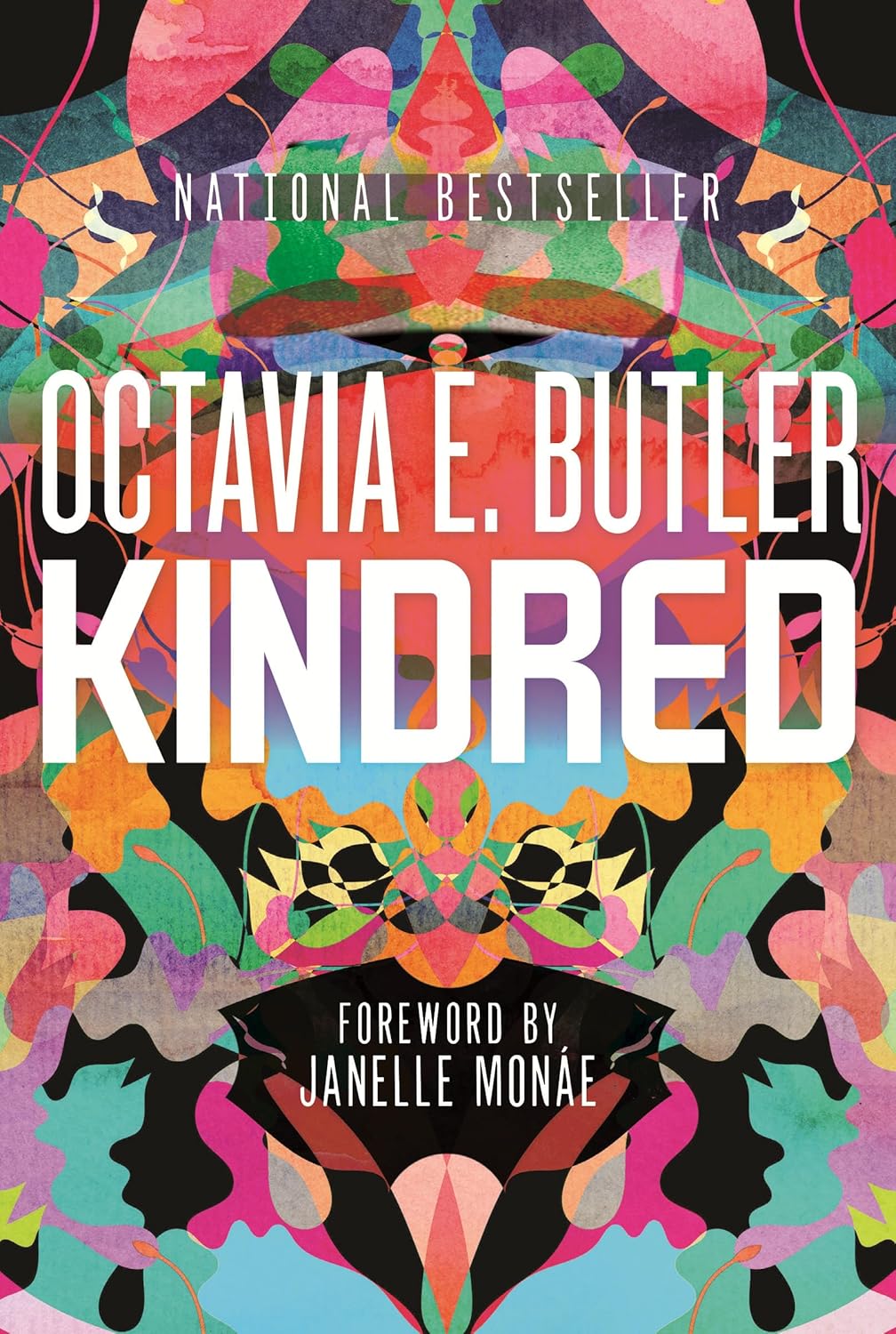

Arsène a publié une critique de Liens de sang par Octavia E. Butler
Et si vous étiez plongé au temps de l'esclavage
5 étoiles
Très bon roman. Une jeune femme noire qui vient d'emménager avec son mari blanc, Kevin, en 1976 à côté de Los Angeles. Ils sont tous deux écrivains et d'un coup, ils vont être plongés dans une réalité d'une autre époque : celle de l'esclavage dans une plantation du Maryland bien avant la guerre de Sécession. Danah est "appelée" par Rufus, petit garçon qui se noit. Elle le sauve et devant la menace du père de l'enfant qui l'a tient en joue avec son fusil, elle prend peur pour sa vie et est ramenée en 1976. Petit à petit, les voyages dans le temps se succèdent et elle comprend le lien qui l'a relie à Rufus, son ancêtre blanc, fils puis propriétaire d'une plantation et d'esclaves. Ce qui est très bien décrit, au-delà de ce ce que pouvaient subir les esclaves en ce temps-là, c'est le sentiment des blancs de leur …
Très bon roman. Une jeune femme noire qui vient d'emménager avec son mari blanc, Kevin, en 1976 à côté de Los Angeles. Ils sont tous deux écrivains et d'un coup, ils vont être plongés dans une réalité d'une autre époque : celle de l'esclavage dans une plantation du Maryland bien avant la guerre de Sécession. Danah est "appelée" par Rufus, petit garçon qui se noit. Elle le sauve et devant la menace du père de l'enfant qui l'a tient en joue avec son fusil, elle prend peur pour sa vie et est ramenée en 1976. Petit à petit, les voyages dans le temps se succèdent et elle comprend le lien qui l'a relie à Rufus, son ancêtre blanc, fils puis propriétaire d'une plantation et d'esclaves. Ce qui est très bien décrit, au-delà de ce ce que pouvaient subir les esclaves en ce temps-là, c'est le sentiment des blancs de leur supériorité, de leur domination, de la méfiance éprouvée de part et d'autre et surtout du système social dans lequel tout le monde se trouvait prisonnier. Par dessus cette description très fine de ce racisme, de cette exploitation et du patriarcat, il y a cette femme qui vit dans un monde où l'esclavage n'existe plus, le racisme qui prévaut encore n'est pas le moteur de la réflexion, mais c'est plutôt la contradiction qu'elle éprouve à se retrouver à sauver cet homme pour sa survie en 1976, mais aussi pour la survie de tous les esclaves qui vivent sur la propriété alors qu'elle est plus instruite que n'importe qui sur la plantation et qu'elle est à la fois partie prenante de l'exploitation et des violences subies, et qu'elle souhaite les libérer sans le pouvoir de le faire car cela met tout le monde en danger. Ce décalage est très fort et permet de se plonger dans ce monde dont les USA sont issus.